
You’ve tried the diets.
The supplements.
The workouts.
The medications.
The stretching.
The specialists.
Yet you still don’t feel like yourself.
Maybe your symptoms improve temporarily, but they always come back. Maybe your labs are “normal,” but your body still feels exhausted, tense, inflamed, or overwhelmed.
At some point, many people begin asking a deeper question:
“What if nobody has actually addressed the root issue yet?”
At The Foundation Chiropractic, we often see people after years of chasing symptoms with little long-term change. In many cases, the missing piece isn’t another treatment.
It’s the nervous system.
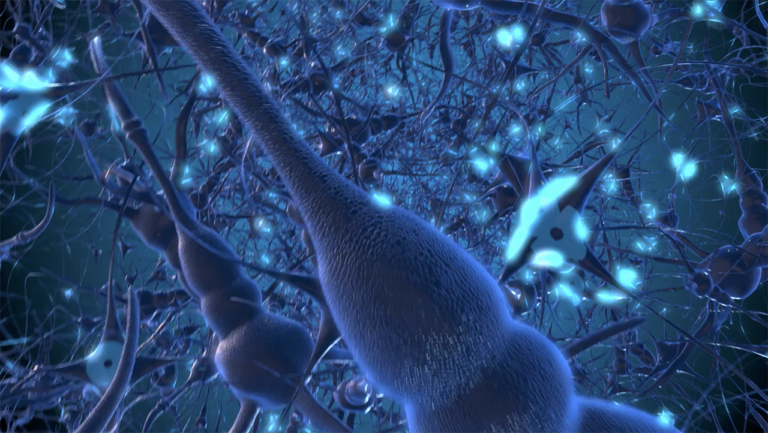
Your Nervous System Controls Everything
Your nervous system controls and coordinates every function in your body:
- Energy
- Sleep
- Digestion
- Hormones
- Recovery
- Stress adaptation
- Healing
Your spine exists to protect this communication system.
When areas of the spine stop moving and functioning properly—what chiropractors call subluxations—the nervous system can become irritated and less adaptable.
At first, the effects are subtle:
- Chronic tension
- Fatigue
- Brain fog
- Poor sleep
- Digestive issues
- Stress sensitivity
Most people normalize these signs for years.
But the body only compensates for so long before those patterns become larger health problems.
Why Many People Stay Stuck
Modern healthcare is often focused on symptom management.
But symptoms are usually the last thing to appear—not the first.
Long before a diagnosis, the body often shows signs that it is struggling to adapt.
That’s why neurologically-focused chiropractic asks a different question:
Not just:
“Where does it hurt?”
But:
“How well is your nervous system functioning?”
Because when the nervous system is overwhelmed, healing and recovery become less efficient.
What Neurologically-Focused Chiropractic Does Differently
Neurologically-focused chiropractic care is designed to identify and correct areas of stress within the spine and nervous system.
Specific chiropractic adjustments help restore proper motion and reduce interference so the brain and body can communicate more efficiently.
The goal is not simply temporary pain relief.
The goal is better function.
Better adaptability.
Better recovery.
Better resilience.
Research continues to explore the connection between spinal function and the autonomic nervous system—the system responsible for stress regulation, recovery, digestion, and healing. Studies have demonstrated measurable changes in nervous system activity following spinal adjustments, supporting the relationship between spinal health and overall body function.
When communication improves, the body often functions better.
The Best Time to Address a Problem Is Before It Becomes a Crisis
Most major health issues do not appear overnight.
They develop slowly through years of stress, compensation, and neurological overload.
That’s why waiting until the body breaks down is rarely the best strategy.
A healthier approach is addressing dysfunction upstream—before small problems become major interventions.
Because the body is not designed merely to survive.
It is designed to heal, adapt, and thrive.
Dr. Mirandola