For many people, the journey through the healthcare system can feel frustratingly incomplete. Symptoms are managed, conditions are labeled, and medications are prescribed—but the underlying cause often remains unaddressed. This is where a neurology-focused approach to chiropractic care offers a fundamentally different perspective.
Rather than chasing symptoms, this approach centers on the one system that controls and coordinates everything in the body: the nervous system.
The Missing Link in Modern Healthcare
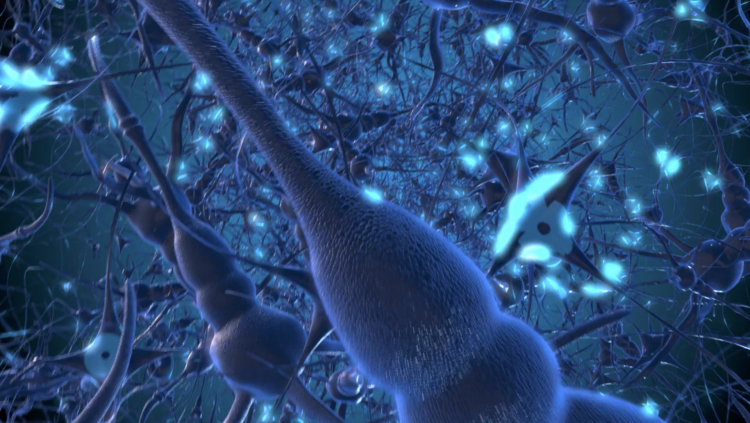
Your body is not a collection of isolated parts—it’s an integrated, self-regulating system. At the center of that system is the brain and spinal cord, constantly communicating with every organ, tissue, and cell.
When that communication is clear, the body functions as it should:
-
Digestion works efficiently
-
Hormones stay balanced
-
Immune responses are appropriate
-
Energy levels are stable
But when communication becomes distorted or interrupted—even subtly—function begins to decline.
This is where many chronic, “mysterious,” or unresolved health issues begin.
When Problems Go Unseen
Traditional healthcare models often rely on identifying structural damage, pathology, or measurable disease. But what happens when tests come back “normal,” yet you still don’t feel right?
Common experiences include:
-
Persistent fatigue
-
Digestive issues
-
Brain fog
-
Mood instability
-
Recurrent illness
-
Poor sleep
These are often early warning signs of dysfunction—not disease. And they frequently originate from impaired neurological communication.
Because these issues don’t always show up on standard tests, they can go unnoticed, misinterpreted, or dismissed altogether.
The Role of Neurology-Focused Chiropractic
Neurology-focused chiropractic care is built on a simple but powerful principle:
Function is driven by the nervous system.
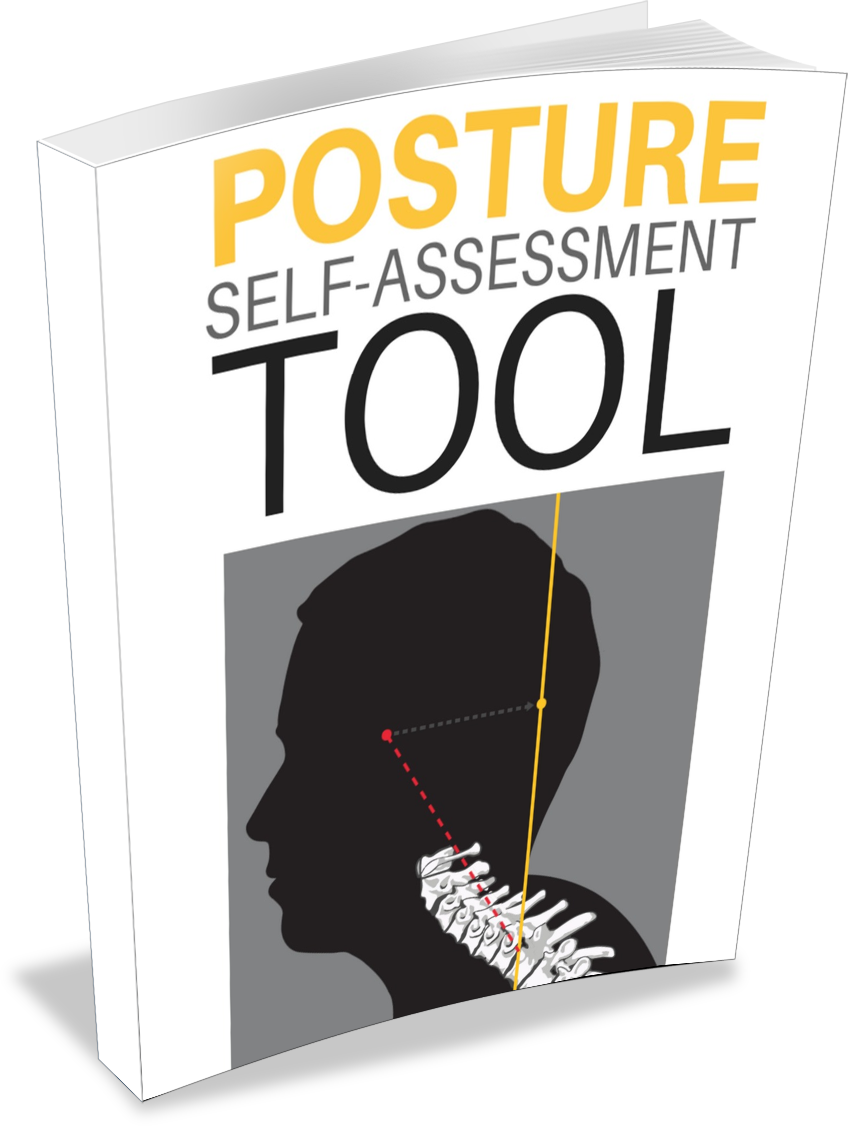
When there is interference within the spine—commonly referred to as a subluxation—it can alter the way the brain and body communicate. This isn’t just about pain or posture. It’s about how well your body can adapt, heal, and regulate itself.
Through precise analysis and correction, this approach aims to:
-
Restore proper communication between brain and body
-
Improve adaptability to stress
-
Enhance overall function across multiple systems
Precision Matters: Why Specificity Changes Everything
One of the defining features of this approach is specificity.
Using advanced imaging and objective analysis, chiropractors trained in corrective and neurologically-focused methods don’t guess where to adjust—they measure it.
This allows for:
-
Targeted corrections at the exact level of dysfunction
-
Consistency in care and results
-
Reduced unnecessary intervention
The goal is not to “crack” the spine randomly, but to deliver the right adjustment, at the right place, at the right time.
Beyond Symptom Relief
Perhaps the most important distinction is this:
Neurology-focused chiropractic is not designed to treat symptoms—it’s designed to restore function.
When function improves, symptoms often resolve as a byproduct.
Patients frequently report improvements in areas they weren’t even seeking care for:
-
Better sleep
-
Improved digestion
-
Enhanced mental clarity
-
Increased resilience to stress
This happens because the nervous system doesn’t just control one part of the body—it influences everything.
A Shift in Perspective
If you’ve been told “everything looks normal” but you still don’t feel well, it may be time to consider a different lens.
Instead of asking:
“What disease do I have?”
Ask:
“How well is my body functioning—and what’s controlling that function?”
The Takeaway
Many health challenges don’t begin with a diagnosis—they begin with dysfunction.
Neurology-focused chiropractic care offers the tools, analysis, and precision to detect and correct these issues at their source—before they progress into something more serious.
By restoring communication within the nervous system, the body is given the opportunity to do what it was designed to do:
Heal, adapt, and thrive.
Ready to Take the Next Step?
If you’re tired of chasing symptoms and ready to uncover the root cause of your health challenges, it may be time for a neurological evaluation.
Your body already has the answers—sometimes it just needs the right connection to express them.
– Dr. Mirandola