If you’re searching for a chiropractor, you’ve likely noticed there are many different techniques and approaches. Two of the most commonly discussed are Gonstead Specific Chiropractic and what is often referred to as traditional or general chiropractic care. While both fall under the chiropractic profession, the philosophy, analysis, and precision of care can be very different.
Understanding these differences can help you make a more informed decision about your health and choose a form of chiropractic care that best supports long-term results.
What Is Traditional Chiropractic Care?
Traditional chiropractic is a broad term that typically describes care focused on symptom relief, most often pain, stiffness, or discomfort. This style of care commonly includes:
- General spinal adjustments
- Manual or instrument-assisted techniques
- Stretching, exercises, or modalities
- Treatment based largely on reported symptoms
In many traditional chiropractic offices, adjustments may be applied to multiple areas of the spine in a single visit, often with the goal of increasing motion and reducing discomfort quickly.
This approach can be helpful for short-term relief, especially for acute pain. However, it may not always address the specific structural cause of a problem or focus on long-term spinal correction.
What Is Gonstead Specific Chiropractic?
Gonstead Chiropractic is a highly precise, biomechanically focused system of chiropractic care designed to identify and correct the exact spinal segment causing nervous system interference.
Rather than adjusting multiple areas, Gonstead chiropractors aim to:
- Locate the primary spinal misalignment (vertebral subluxation)
- Correct only what needs to be corrected
- Preserve spinal stability and natural curves
- Reduce stress on discs and nerves
Gonstead care is known for its specificity, detailed analysis, and reproducible results.
The Core Differences Between Gonstead and Traditional Chiropractic
1. Precision vs. General Adjustment
Traditional chiropractic often uses generalized adjustments applied to regions of the spine.
Gonstead chiropractic focuses on one specific vertebra at a time, delivering a precise correction based on objective findings—a level of precision many patients seek when looking for long-term results.
This specificity reduces unnecessary movement and helps protect spinal integrity.
2. Detailed Spinal Analysis
Gonstead chiropractors rely on a comprehensive analysis that may include:
- Full-spine digital X-rays
- Instrumentation (such as the nervoscope)
- Static and motion palpation
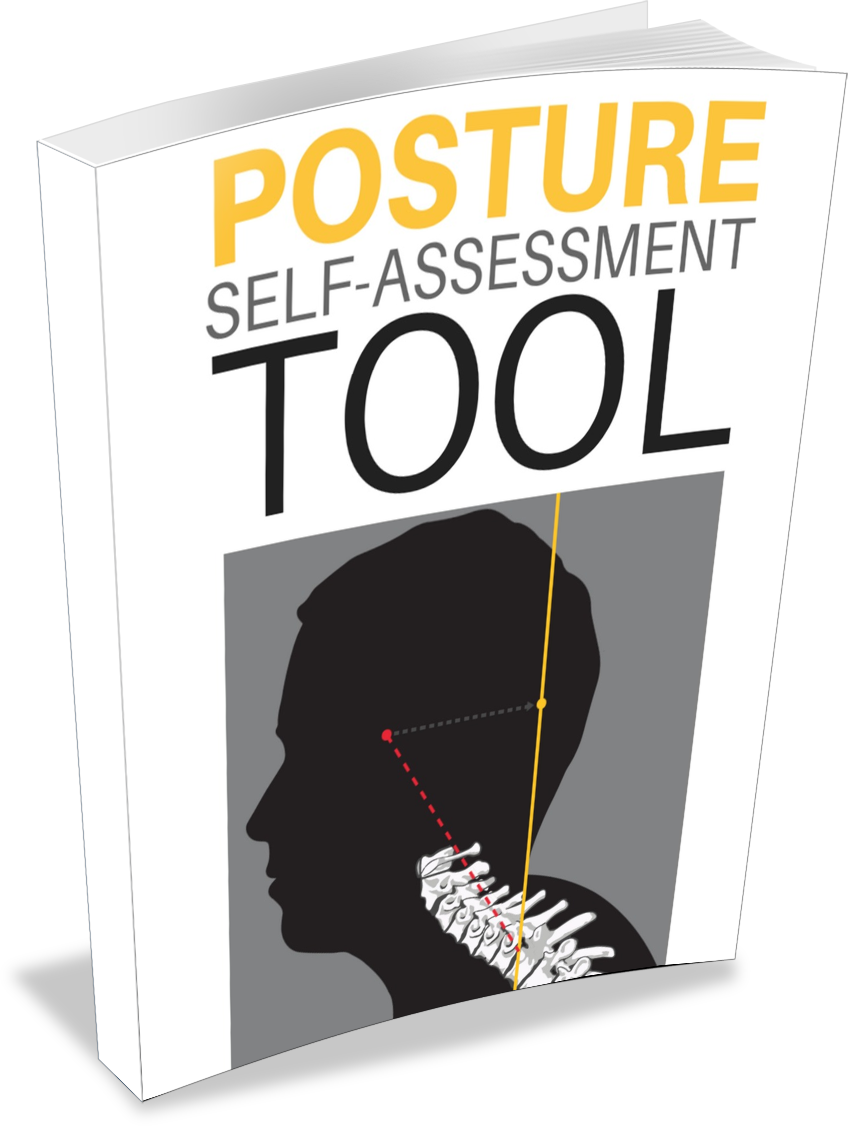
- Postural and biomechanical assessment
Traditional chiropractic may rely more heavily on symptoms, range of motion, or generalized palpation.
The Gonstead system is designed to remove guesswork and identify the true source of dysfunction.
3. Focus on Structural Correction
Gonstead chiropractic places strong emphasis on restoring proper spinal alignment and biomechanics, particularly:
- Disc health
- Pelvic balance
- Natural spinal curves
Rather than simply increasing motion, Gonstead care seeks to stabilize and correct the spine over time.
Traditional chiropractic may emphasize mobility and short-term relief without long-term structural goals.
4. Nervous System-Centered Care
Both approaches acknowledge the importance of the nervous system, but Gonstead chiropractic is deeply rooted in correcting spinal distortions that interfere with nerve communication.
By correcting the primary subluxation, the nervous system can function more efficiently, supporting:
- Pain reduction
- Improved mobility
- Better digestion, sleep, and stress regulation
- Overall systemic health
5. Long-Term Results vs. Temporary Relief
Traditional chiropractic is often episodic—patients may come in during pain flare-ups and stop once symptoms improve.
Gonstead chiropractic is designed as a corrective process, with care plans based on spinal findings and long-term goals rather than symptoms alone.
This approach helps prevent recurrence and supports lasting spinal health.
Which Chiropractic Approach Is Right for You?
If your goal is short-term relief, traditional chiropractic care may be sufficient.
If you are looking for:
- Root-cause correction
- Highly specific adjustments
- Long-term spinal and nervous system health
- A data-driven, objective approach
Then Gonstead Specific Chiropractic may be the better choice—especially if you’re seeking corrective, long-term chiropractic care.
Why Gonstead Chiropractic Is Considered a Gold Standard
The Gonstead system is taught extensively at chiropractic colleges and through advanced postgraduate training. Many chiropractors who practice Gonstead pursue years of additional education to master its precision and analytical depth.
Because of its specificity and focus on structural integrity, Gonstead chiropractic is often sought out by patients who have not achieved lasting results with other approaches.
Choosing the Right Chiropractor Matters
Not all chiropractors practice Gonstead chiropractic, and not all chiropractic care is the same. Asking about technique, analysis, and long-term goals can make a significant difference in your outcomes.
When chiropractic care is specific, intentional, and focused on correcting the cause—not just the symptoms—the body has the opportunity to heal and function at a higher level.
Gonstead Specific Chiropractic is a precise, analytical approach designed to restore proper spinal function and support optimal nervous system health. Understanding the difference empowers you to choose care that aligns with your long-term health goals.
For individuals and families seeking Gonstead Specific Chiropractic care in the greater Boston and Central Massachusetts areas, including Wellesley MA and West Boylston MA, choosing a chiropractor trained in this method can make a meaningful difference in long-term outcomes. When care is precise, intentional, and corrective in nature, the spine—and the nervous system it protects—has the opportunity to function at its highest level. Understanding the difference empowers you to choose care that aligns with your long-term health goals.*